For a guy who retired his main band, Leif Edling sure is busy. Not only
did Candlemass not hang it up when it seemed they were going to, but
he's been busy with a new solo project, and this band, Avatarium, who
are on to their third album. For whatever reason,
despite knowing of them, I hadn't gotten around to listening to either
of their first two albums, which meant I was walking into this without
thinking about the arc of their career. Sometimes that's the best way of
approaching music, because we often complicate
our opinions with details that don't matter.
Opener "Into The Fire - Into The Storm" is, as you would expect, a more
upbeat number that could have easily fit on any of the recent Candlemass
releases. Leif has his style, and it doesn't deviate, regardless of the
project. The big difference is that Avatarium
features the powerful vocals of Jennie-Ann Smith. She is rightfully
presented as the highlight of the experience, because she is what makes
this band stand out. The usual cast of doom singers are all fine, but
there's a point at which their wailing all blends
together. Honestly, I can't think of a single memorable thing Mats
Leven has done in at least a decade. But I digress.
Jennie's voice powers Avatarium, because she not only has the power
needed to sing doom, but she has just enough of a delicate edge to her
sound to show nuance. Doom is all about big, blunt riffs, so nuance is
not a word you often associate with the genre.
Doing so is her greatest gift to the record.
It's also key that Avatarium is a band where each member is able to make
the songs better by virtue of their playing. "The Starless Sleep" is a
simple construction, but there are layers of dissonant guitars and
Hammond organ that swirl in the background that
add real flavor and texture to the proceedings, so that everything
leading up to the sweet melody has a purpose and an identity. It's easy
to have everything follow one simple riff pattern, but breaking away
from that allows Avatarium to make their songs into
sonic portraits, rather than prints.
When the band sticks to their focus, they make some remarkable music.
The previously mentioned song, along with "The Sky At The Bottom Of The
Sea" are fantastic fusions of doom riffing and laconic melody. An entire
album of that kind of music would be an easy
favorite. However, there's a needling desire in the back of their minds
to be more progressive, and that's where they get into trouble. "Medusa
Child" has a chorus of young voices, which never work on record, no
matter how many bands try it. And at nine minutes
long, the song takes a few disjointed detours away from the main crux
of the song. There's some good stuff in there, but not nine minutes
worth.
But that's a small gripe, all things considered. The vast majority of
"Hurricanes And Halos" is an engaging trip down the road of doom. In
fact, even though they aren't purely a doom band, there aren't many doom
bands that are more interesting than Avatarium.
They could use a touch more focus, but they have great style.
Sometimes, that's just as important.
Tuesday, May 23, 2017
Sunday, May 21, 2017
Quick Take: Fastball - Step Into Light
Fastball is one of those bands that never got the credit they deserved. While "The Way" and "Outta My Head" were hits, people ignored the fact that they were making great records that kept the spirit of Beatles-style rock in our consciousness. "All The Pain Money Can Buy" is the one people would know, but "The Harsh Light Of Day", "Keep Your Wig On", and "Little White Lies" are packed with great songs that deserved to get heard. It's sad that they now reside on the 90s nostalgia circuit.
This new album of theirs is the first time I can't say that Fastball is a band getting looked over. Gone are the shimmering pop songs that crept into your head and stayed there. Instead, this album finds Fastball sounding old, tired, and out of ideas. They have had plenty of short songs in their history, most of which used the economic running times to throw a frenzy of melodies out there, but this album finds the songs short in a way that sounds incomplete.
There's no snap to these songs, no energy. They limp from start to finish in less than three minutes, and neither Tony nor Miles can save them. Both of them had released solo albums, and Miles' had me worried that his contributions would be weak, but Tony's solo album was great, and he doesn't provide enough here either. The two best songs, "Just Another Dream" and "Secret Agent Love" are both his, and are fantastic, but the rest of the album is comprised of songs that wouldn't have made the cut on any other Fastball record. This isn't offensively bad, but it's not even close to being good enough for Fastball
This new album of theirs is the first time I can't say that Fastball is a band getting looked over. Gone are the shimmering pop songs that crept into your head and stayed there. Instead, this album finds Fastball sounding old, tired, and out of ideas. They have had plenty of short songs in their history, most of which used the economic running times to throw a frenzy of melodies out there, but this album finds the songs short in a way that sounds incomplete.
There's no snap to these songs, no energy. They limp from start to finish in less than three minutes, and neither Tony nor Miles can save them. Both of them had released solo albums, and Miles' had me worried that his contributions would be weak, but Tony's solo album was great, and he doesn't provide enough here either. The two best songs, "Just Another Dream" and "Secret Agent Love" are both his, and are fantastic, but the rest of the album is comprised of songs that wouldn't have made the cut on any other Fastball record. This isn't offensively bad, but it's not even close to being good enough for Fastball
Thursday, May 18, 2017
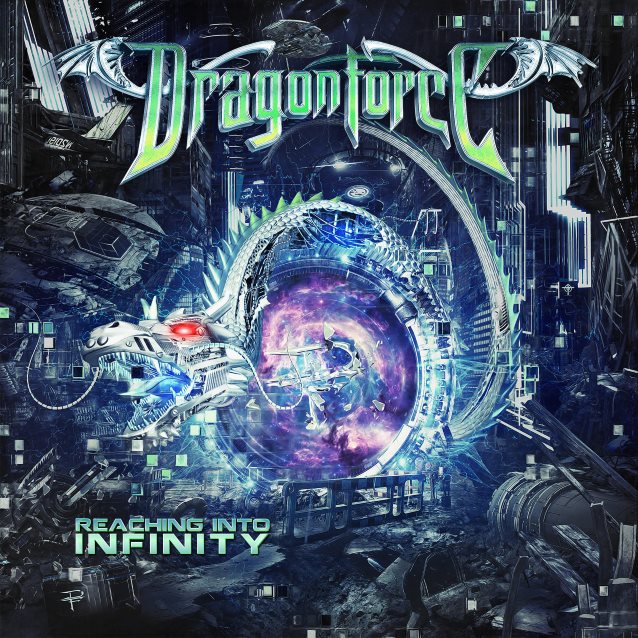
Album Review: Dragonforce - Reaching Into Infinity
I feel a bit sorry for Dragonforce. Yes, they have a solid career going,
but I can't see how they change the unfortunate reality they live in.
For the rest of time, they will be best known as the band with that song
in that video game. So even though they've
made some good records and played plenty of shows, it's going to be the
video game that defines their legacy. There are worse things than that,
like not being remembered at all, but it dulls the enthusiasm for each
passing record when you know it can't possibly
be the band's defining moment.
We approach this new album on the heels of their last, which was one that showed the second lineup of the band coming together in better form, but still needing a slight tweak to hit the band's previous heights.
Dragonforce has always been about pushing the limits of speed, and they continue to do so here. That is their biggest strength, in that it gives them an identity they can own, but it also can be a weakness, since that kind of speed doesn't leave time for much interesting musical development. "Ashes Of The Dawn" is a fine opening number, but the speed means the guitars don't do anything interesting beyond chugging through the power chords. After a few songs, or seven albums in this case, it's nothing we haven't already heard Dragonforce do before.
Sure, it's impressive to hear how fast these guys are able to play, and I wouldn't want to have to be the one spitting out the chorus of "Judgment Day" in a live setting, but the hyperactive energy that would make for a thrilling live show doesn't translate to a recording. Instead of sounding energetic, the songs sometimes sound as if the band is trying to get through them because they have someone else they would rather be. Or, yes, you could also say it sounds like the LP was being played at the wrong speed.
My issues with the pacing aside, Dragonforce has been at this long enough that they know what they're doing. They race along until they get to a huge chorus, at which point they deliver the hooks with aplomb. There are plenty of big, sticky melodies here to satisfy any power metal fan. It's hard to listen to "Curse Of Darkness" and not get swept up in the wave of cheesy (not in a bad way) melodies washing over you. It's moments like that where Dragonforce shows their skill, which is considerable.
Ultimately, Dragonforce is a band that at this stage is going to deliver what you expect from them. This record is as consistent as their last, and so on and so forth. They're a solid group that knows what their fans want, and they deliver on that time and time again. There's a slight curveball in the ballad "Silence", which is excellent, but for the most part Dragonforce delivers more very good Dragonforce music. They're good at what they do. My only criticism is that I can't handle that sound in hour long increments. That's my issue, not necessarily theirs. So if you like Dragonforce, be pleased, because "Reaching Into Infinity" is a very good Dragonforce album.
We approach this new album on the heels of their last, which was one that showed the second lineup of the band coming together in better form, but still needing a slight tweak to hit the band's previous heights.
Dragonforce has always been about pushing the limits of speed, and they continue to do so here. That is their biggest strength, in that it gives them an identity they can own, but it also can be a weakness, since that kind of speed doesn't leave time for much interesting musical development. "Ashes Of The Dawn" is a fine opening number, but the speed means the guitars don't do anything interesting beyond chugging through the power chords. After a few songs, or seven albums in this case, it's nothing we haven't already heard Dragonforce do before.
Sure, it's impressive to hear how fast these guys are able to play, and I wouldn't want to have to be the one spitting out the chorus of "Judgment Day" in a live setting, but the hyperactive energy that would make for a thrilling live show doesn't translate to a recording. Instead of sounding energetic, the songs sometimes sound as if the band is trying to get through them because they have someone else they would rather be. Or, yes, you could also say it sounds like the LP was being played at the wrong speed.
My issues with the pacing aside, Dragonforce has been at this long enough that they know what they're doing. They race along until they get to a huge chorus, at which point they deliver the hooks with aplomb. There are plenty of big, sticky melodies here to satisfy any power metal fan. It's hard to listen to "Curse Of Darkness" and not get swept up in the wave of cheesy (not in a bad way) melodies washing over you. It's moments like that where Dragonforce shows their skill, which is considerable.
Ultimately, Dragonforce is a band that at this stage is going to deliver what you expect from them. This record is as consistent as their last, and so on and so forth. They're a solid group that knows what their fans want, and they deliver on that time and time again. There's a slight curveball in the ballad "Silence", which is excellent, but for the most part Dragonforce delivers more very good Dragonforce music. They're good at what they do. My only criticism is that I can't handle that sound in hour long increments. That's my issue, not necessarily theirs. So if you like Dragonforce, be pleased, because "Reaching Into Infinity" is a very good Dragonforce album.
Tuesday, May 16, 2017
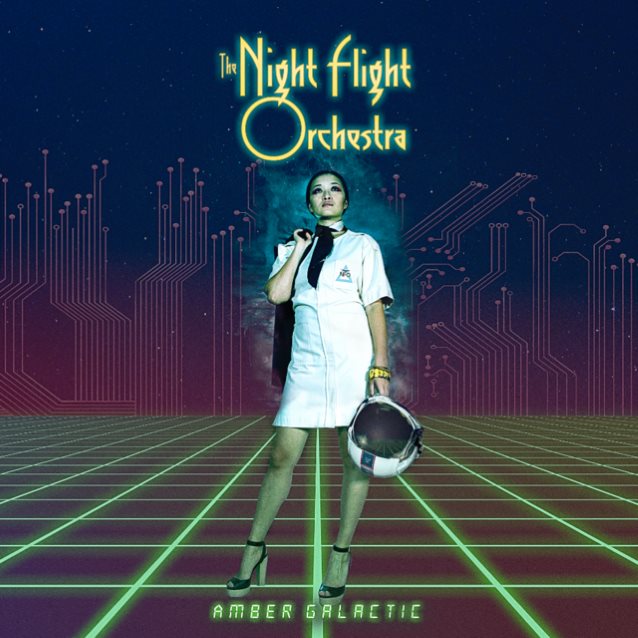
Album Review: Night Flight Orchestra - Amber Galactic
I don't consider myself a metal fan, even though I listen to and enjoy a
fair amount of metal. The reason I don't do that is because, when I
look around and see the throngs of fans who listen to nothing but metal,
and who consider anything less than metal to
be weak, I simply am not one of them. I couldn't imagine listening to
nothing but metal, and apparently many of the musicians can't either.
While, for instance, I can appreciate what Soilwork does, there aren't
that many times I want to get screamed at for
half of every song. Apparently Bjorn Strid feels the same way, because
in between Soilwork albums, he's been getting together with friends and
pumping out 70s and 80s inspired rock under the guise of The Night
Flight Orchestra.
I never covered the band's previous albums, but I did hear enough of them to be mildly intrigued by what I heard. Bjorn is an obviously talented singer, and the throwback aesthetic works for me, but the project had the slapdash and thrown-together songwriting I would imagine for a group that doesn't get ample time to put their records together. Will this time be different?
"Midnight Flyer" kicks things off by telling us exactly where the heart of this album lies. The sound is pure 80s Journey, just as cheesy as you remember. The synths aren't as ridiculous as they could be, since this is meant to be an homage to that time, but there is plenty to politely snicker at. That's how the 80s were.
What I find interesting about this group is the difference in how I perceive Bjorn. In Soilwork, his melodic choruses are the strongest parts of the songs, punchy and delivered expertly. He is obviously the same singer, but he sounds different here. Whether it's the nature of how the album was written and recorded, or if it's the law of diminishing returns, but he never manages to hit those melodies as hard as he does in his main gig. These songs are enjoyable, but for being melodic hard rock, they feel like they need to have bigger hooks.
Then again, having experienced the late 80s that this record is mimicking, those were not days filled with that kind of songwriting. The Night Flight Orchestra masterfully apes that period of time, with "Domino" in particular bringing back nearly lucid memories of my childhood. Even now, hearing songs from those days on the radio, it strikes me how few of them have great melodies and hooks. Back then, the songs got by on quirks and the lack of pop and rock crossover. In that respect, "Amber Galactic" fits right in. Too well, I would say.
"Amber Galactic" is pure 1988, for better or worse. For what they were aiming for, this record is scarily accurate. If you told me these songs were written back then, I wouldn't bat an eyelash at you. However, that period of time hasn't aged well, so while the band has to be applauded for their skill at putting on the sonic image, I can't let the album pass by without saying I'm disappointed they didn't update the songwriting with a bit of modern melodic flair. I miss the choruses I know Bjorn can deliver. They're all that's holding "Amber Galactic" back from being a perfect time machine.... to a time I'm not sure anyone wants to revisit.
I never covered the band's previous albums, but I did hear enough of them to be mildly intrigued by what I heard. Bjorn is an obviously talented singer, and the throwback aesthetic works for me, but the project had the slapdash and thrown-together songwriting I would imagine for a group that doesn't get ample time to put their records together. Will this time be different?
"Midnight Flyer" kicks things off by telling us exactly where the heart of this album lies. The sound is pure 80s Journey, just as cheesy as you remember. The synths aren't as ridiculous as they could be, since this is meant to be an homage to that time, but there is plenty to politely snicker at. That's how the 80s were.
What I find interesting about this group is the difference in how I perceive Bjorn. In Soilwork, his melodic choruses are the strongest parts of the songs, punchy and delivered expertly. He is obviously the same singer, but he sounds different here. Whether it's the nature of how the album was written and recorded, or if it's the law of diminishing returns, but he never manages to hit those melodies as hard as he does in his main gig. These songs are enjoyable, but for being melodic hard rock, they feel like they need to have bigger hooks.
Then again, having experienced the late 80s that this record is mimicking, those were not days filled with that kind of songwriting. The Night Flight Orchestra masterfully apes that period of time, with "Domino" in particular bringing back nearly lucid memories of my childhood. Even now, hearing songs from those days on the radio, it strikes me how few of them have great melodies and hooks. Back then, the songs got by on quirks and the lack of pop and rock crossover. In that respect, "Amber Galactic" fits right in. Too well, I would say.
"Amber Galactic" is pure 1988, for better or worse. For what they were aiming for, this record is scarily accurate. If you told me these songs were written back then, I wouldn't bat an eyelash at you. However, that period of time hasn't aged well, so while the band has to be applauded for their skill at putting on the sonic image, I can't let the album pass by without saying I'm disappointed they didn't update the songwriting with a bit of modern melodic flair. I miss the choruses I know Bjorn can deliver. They're all that's holding "Amber Galactic" back from being a perfect time machine.... to a time I'm not sure anyone wants to revisit.
Sunday, May 14, 2017
Quick Take: Lykantropi - Lykantropi
I've spent considerable energy over the last couple of years trying to convince the bands that are playing throwback rock that there is much more to being effective at conjuring the past than finding and playing vintage amps. There's a mentality that gets lost among this generation, and it results in countless flaccid, boring albums that add nothing to the genre.
Lykantropi have heeded the call. They not only play throwback rock, they go even further into the past than the 70s worshipers. Lykantropi has that elements of that sound, but they also draw from the harmonies of 60s pop, which creates a completely unique sound for a new band. There's an old pop sensibility to the way the vocals are constructed, but the songs themselves are melancholic 70s rock. That balance is the yin and yang, the ebb and flow that makes great music great.
Let's not get crazy though. "Lykantropi" isn't a great album. It's a good album, and it's a very interesting listen, but there's still room for growth, as you would expect from a band still finding their feet. Not everything works, but when they put the pieces together, like on the track "Raven", they have something special brewing.
This album is a very nice first step for Lykantropi, and is an enjoyable record that falls just a bit short of being essential. Still, I say it's definitely worth a few minutes of your time, if only for "Raven". There's a bit of Ghost to what they're doing, and that's not a bad thing at all.
Lykantropi have heeded the call. They not only play throwback rock, they go even further into the past than the 70s worshipers. Lykantropi has that elements of that sound, but they also draw from the harmonies of 60s pop, which creates a completely unique sound for a new band. There's an old pop sensibility to the way the vocals are constructed, but the songs themselves are melancholic 70s rock. That balance is the yin and yang, the ebb and flow that makes great music great.
Let's not get crazy though. "Lykantropi" isn't a great album. It's a good album, and it's a very interesting listen, but there's still room for growth, as you would expect from a band still finding their feet. Not everything works, but when they put the pieces together, like on the track "Raven", they have something special brewing.
This album is a very nice first step for Lykantropi, and is an enjoyable record that falls just a bit short of being essential. Still, I say it's definitely worth a few minutes of your time, if only for "Raven". There's a bit of Ghost to what they're doing, and that's not a bad thing at all.
Thursday, May 11, 2017
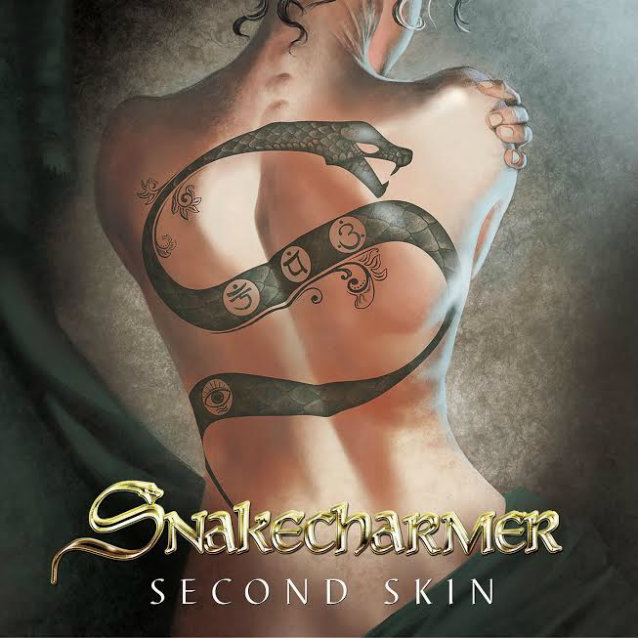
Album Review: Snakecharmer - Second Skin
It's not pleasant for the other members of a band when the singer
becomes synonymous with the name. That's what happened with Whitesnake,
as it became in the eyes of the public David Coverdale and whoever he
happened to have standing behind him in the latest
video. That left the members who helped build the band to languish in
the background, even as Coverdale was introducing the umpteenth version
of the band to their recent comeback success. Two of those former
members decided to step out of the shadows and form
Snakecharmer, but now that we're left with only bass player Neil
Murray, does the pun really stand for anything anymore?
In a way, yes, because Snakecharmer is still breathing life into the bluesy variety of hard rock that Whitesnake was playing all those years ago. Since everyone involved is a veteran with miles of experience, the first thing that can be said about Snakecharmer is that they are a group of professionals who have made a polished and professional album that lives up to their skills. Depending on how you view rock and roll, that can also be a negative, since there isn't any grit or energy to these songs in the same way a young and hungry band can create.
The blues are not a relaxed musical form, so the tempered performances but forward by these old hands might not be exactly what was needed. Everything is played and sung flawlessly, but I can't help but think having a bit more bite to some of the guitars, or pushing the tempos on the slower numbers, would have given the album a bit more life.
The thing about blues-rock is that if you adhere too closely to the standard blues riffs, there isn't always an opening for a melodic vocal. That's what keeps songs like "Are You Ready To Fly" from, ironically, rising up. Songs like "Follow Me Under" are far superior, because the chorus perks up enough that the vocal is able to bounce over the top and make for a more appealing hook. It finds the right balance between traditional blues rock and an approach more engaging for today.
I wish I could say they spend most of their time on that side of the ledger, but too often they put the blues groove ahead of all else, which is the way things used to be done, but forty years of bands playing the same variants of those riffs has left us needing something more to the songwriting than what we've already heard so many times before. "Hell Of A Way To Live" is a really good song, but there aren't enough of them on the record. Too many of these songs are rehashing the same material these men have been playing their entire careers. That's probably fun for them, but it makes the present seem a bit tired.
"Second Skin" is an impeccably played album that probably does give fans of bluesy rock who gave up on new music in 1983 exactly what they want. But since I am not a product of that time, and my memories of Whitesnake are with John Sykes involved, Snakecharmer's biggest appeal is lost on me. This record isn't meant for me, which I completely understand. It's very good for what it does, but that arrow isn't pointing in my direction.
In a way, yes, because Snakecharmer is still breathing life into the bluesy variety of hard rock that Whitesnake was playing all those years ago. Since everyone involved is a veteran with miles of experience, the first thing that can be said about Snakecharmer is that they are a group of professionals who have made a polished and professional album that lives up to their skills. Depending on how you view rock and roll, that can also be a negative, since there isn't any grit or energy to these songs in the same way a young and hungry band can create.
The blues are not a relaxed musical form, so the tempered performances but forward by these old hands might not be exactly what was needed. Everything is played and sung flawlessly, but I can't help but think having a bit more bite to some of the guitars, or pushing the tempos on the slower numbers, would have given the album a bit more life.
The thing about blues-rock is that if you adhere too closely to the standard blues riffs, there isn't always an opening for a melodic vocal. That's what keeps songs like "Are You Ready To Fly" from, ironically, rising up. Songs like "Follow Me Under" are far superior, because the chorus perks up enough that the vocal is able to bounce over the top and make for a more appealing hook. It finds the right balance between traditional blues rock and an approach more engaging for today.
I wish I could say they spend most of their time on that side of the ledger, but too often they put the blues groove ahead of all else, which is the way things used to be done, but forty years of bands playing the same variants of those riffs has left us needing something more to the songwriting than what we've already heard so many times before. "Hell Of A Way To Live" is a really good song, but there aren't enough of them on the record. Too many of these songs are rehashing the same material these men have been playing their entire careers. That's probably fun for them, but it makes the present seem a bit tired.
"Second Skin" is an impeccably played album that probably does give fans of bluesy rock who gave up on new music in 1983 exactly what they want. But since I am not a product of that time, and my memories of Whitesnake are with John Sykes involved, Snakecharmer's biggest appeal is lost on me. This record isn't meant for me, which I completely understand. It's very good for what it does, but that arrow isn't pointing in my direction.
Tuesday, May 9, 2017
Album Review: Harem Scarem - United
The world of melodic rock is one that keeps growing, but not in the way
it should. There aren't many newer bands that are doing the style well,
pushing it into the future. The growth comes from bands that either
broke up or took time off, who have come back
to the scene and swelled the ranks. Harem Scarem never went away, but
they did take a few extra years off, and in the meantime not much
changed. Bands from their generation are still dominating the scene,
which is a phenomenon I'm not sure how to think about.
At some point, we need to have some turnover at the top so the genre
can maintain its strength. Bands getting their second wind can't carry
us on for too much longer.
"Unity" is the second album since Haram Scarem found that second wind, and as such I'm expecting more from them, since they've now had time to get back into the swing of writing. And with so much melodic rock out there, no one can coast by on merely decent music anymore. Decent doesn't give you a leg up on anyone.
The first couple of tracks on the album take an unexpected course. The crux of the songs are the big, sunny melodies you would expect from this kind of music, but they're framed by guitar riffs that are more involved. They sound like something you would hear on one of the albums from The Winery Dogs. I'm not sure they quite fit in with the body of the songs, but it does give this album something a bit unique to start off with.
Harry Hess is a great singer, as evidenced both by this album itself, and the First Signal album that generated some buzz last year. He has a fantastic voice for melodic rock, and he polishes the choruses with enough charm to make the hooks and harmonies shine. Those harmonies might be the best thing about the entire album. So many bands neglect the power that harmonies can have in making a chorus sound huge in a way that a single vocal track can't.
The songwriting on "Unity" is the real winner. They take the familiar sounds of melodic rock and turn them into a set of songs that, for lack of a better term, is warm. That's the feeling they give off, like a warm and inviting smile. Compare this album to the similar one released by House Of Lords earlier in the year, and the difference is stark. House Of Lords was a complete disappointment, while Harem Scarem's songs have the huge hooks this kind of music begs for.
Harem Scarem may have been around for quite a while at this point, but "United" shows they're still going strong. This is the kind of album that reminds us that people who write off bands after a certain number of albums are short-changing themselves. Veterans can make good music too, and Harem Scarem are in that camp. Not many new melodic rock bands are going to make a better record this year.
"Unity" is the second album since Haram Scarem found that second wind, and as such I'm expecting more from them, since they've now had time to get back into the swing of writing. And with so much melodic rock out there, no one can coast by on merely decent music anymore. Decent doesn't give you a leg up on anyone.
The first couple of tracks on the album take an unexpected course. The crux of the songs are the big, sunny melodies you would expect from this kind of music, but they're framed by guitar riffs that are more involved. They sound like something you would hear on one of the albums from The Winery Dogs. I'm not sure they quite fit in with the body of the songs, but it does give this album something a bit unique to start off with.
Harry Hess is a great singer, as evidenced both by this album itself, and the First Signal album that generated some buzz last year. He has a fantastic voice for melodic rock, and he polishes the choruses with enough charm to make the hooks and harmonies shine. Those harmonies might be the best thing about the entire album. So many bands neglect the power that harmonies can have in making a chorus sound huge in a way that a single vocal track can't.
The songwriting on "Unity" is the real winner. They take the familiar sounds of melodic rock and turn them into a set of songs that, for lack of a better term, is warm. That's the feeling they give off, like a warm and inviting smile. Compare this album to the similar one released by House Of Lords earlier in the year, and the difference is stark. House Of Lords was a complete disappointment, while Harem Scarem's songs have the huge hooks this kind of music begs for.
Harem Scarem may have been around for quite a while at this point, but "United" shows they're still going strong. This is the kind of album that reminds us that people who write off bands after a certain number of albums are short-changing themselves. Veterans can make good music too, and Harem Scarem are in that camp. Not many new melodic rock bands are going to make a better record this year.
Sunday, May 7, 2017
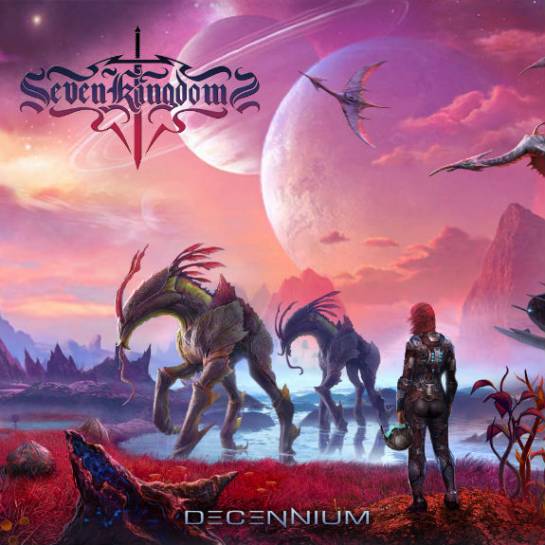
Album Review: Seven Kingdoms - Decennium
Power metal is a tricky genre. My entry to the vast world of metal
largely came through the trenches of power metal, and even though that
predisposes me to liking the shimmering melodic edge the music provides,
I have to say that it is a style that becomes
tired and stale incredibly quickly. Because the music focuses so
heavily on the sweeping choruses and catchy vocals hooks, there isn't
much else to grab onto, which makes for a lot of generic music when the
singers can't sharpen the song's teeth to deadly
precision.
And if there's anything to make power metal even less appealing to people who haven't already bought in to the cheesiness, it's sci-fi cover art that screams "NERD ALERT". I realize it's a common theme, but I don't see the connection between music and sci-fi, and as a fan of only one of the two, I'm usually less interested to hear an album that has such an obvious theme I don't care about.
The album kicks off with "Stargazer", which falls into another pet peeve of mine. The song is not a cover of Rainbow's classic, and using the same title is a self-defeating move, since as soon as I see it, I can't help but compare Seven Kingdom's track to one of the greatest songs ever written. As you would expect, that doesn't go well for the new entry. The biggest problem, to my ears, is that Sabrina Valentine constantly sounds like she is caught between two different vocal approaches. She has that classical sound in her tone, but she doesn't go full-on operatic on these songs, which is a bit confusing.
Women in metal have two main options for how they approach their vocals. They can take the operatic route, which has led many to great success. They can also sing straight-up rock/metal, which works just as well. Few vocalists, male or female, can pull off multiple styles at the same time. I feel that Sabrina has tried to do that, and it drags the album down. As she adds and subtracts those elements from her voice, it seems to happen at random, and without an explanation. It pulls me out of the music, if I'm being honest.
But that issue aside, the real crux of the album is in how I defined power metal earlier. It's a genre of music where there is no expectation of originality or memorability so far as riffs go, which puts all the focus on the melodies. Regardless of the vocal approach, the melodies here just aren't hooky enough to make this album work. They're soft-edged and lacking the killer instinct to make a listener pay attention. It's easy to lose focus and completely lose track of where in a song you are. The verses and choruses blend together far too much, which means the songs aren't building to a high point, they're flat-lining.
There's some charm in what Seven Kingdoms is trying to do here, but it's an album that desperately needed an outside hand to help guide the writing. There are some good ideas here and there, but I never hear what is propelling the band. It's a flat album that lacks passion and energy, and sounds like an album being made for the sake of making an album.
That makes it terribly disappointing.
And if there's anything to make power metal even less appealing to people who haven't already bought in to the cheesiness, it's sci-fi cover art that screams "NERD ALERT". I realize it's a common theme, but I don't see the connection between music and sci-fi, and as a fan of only one of the two, I'm usually less interested to hear an album that has such an obvious theme I don't care about.
The album kicks off with "Stargazer", which falls into another pet peeve of mine. The song is not a cover of Rainbow's classic, and using the same title is a self-defeating move, since as soon as I see it, I can't help but compare Seven Kingdom's track to one of the greatest songs ever written. As you would expect, that doesn't go well for the new entry. The biggest problem, to my ears, is that Sabrina Valentine constantly sounds like she is caught between two different vocal approaches. She has that classical sound in her tone, but she doesn't go full-on operatic on these songs, which is a bit confusing.
Women in metal have two main options for how they approach their vocals. They can take the operatic route, which has led many to great success. They can also sing straight-up rock/metal, which works just as well. Few vocalists, male or female, can pull off multiple styles at the same time. I feel that Sabrina has tried to do that, and it drags the album down. As she adds and subtracts those elements from her voice, it seems to happen at random, and without an explanation. It pulls me out of the music, if I'm being honest.
But that issue aside, the real crux of the album is in how I defined power metal earlier. It's a genre of music where there is no expectation of originality or memorability so far as riffs go, which puts all the focus on the melodies. Regardless of the vocal approach, the melodies here just aren't hooky enough to make this album work. They're soft-edged and lacking the killer instinct to make a listener pay attention. It's easy to lose focus and completely lose track of where in a song you are. The verses and choruses blend together far too much, which means the songs aren't building to a high point, they're flat-lining.
There's some charm in what Seven Kingdoms is trying to do here, but it's an album that desperately needed an outside hand to help guide the writing. There are some good ideas here and there, but I never hear what is propelling the band. It's a flat album that lacks passion and energy, and sounds like an album being made for the sake of making an album.
That makes it terribly disappointing.
Thursday, May 4, 2017
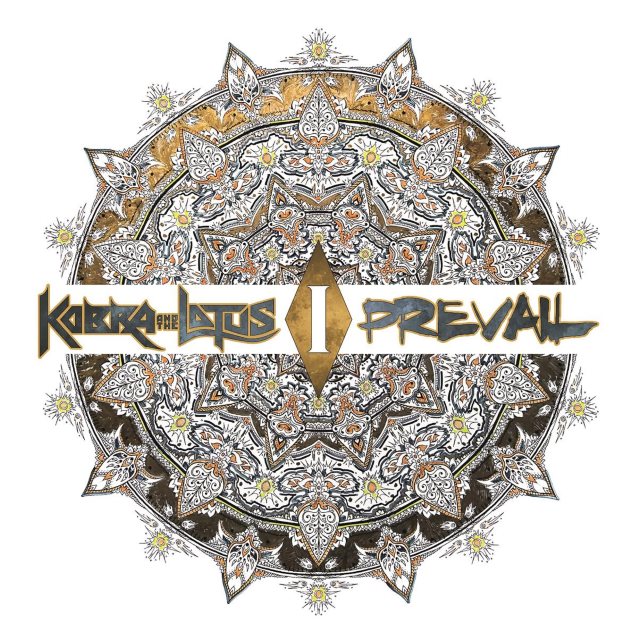
Album Review: Kobra And The Lotus - Prevail I
Music comes at us so fast these days that it's incredibly easy for even
bands with growing stature to go completely under the radar. Kobra And
The Lotus have been gaining steam with each release, but they have
escaped my purview until now. Sometimes, it takes
a big swing at something special to get attention, and the band is
about to give that idea a try, as "Prevail I" is the first of two albums
that connect to form one giant piece of art. When you think of these
sorts of projects, there are certain expectations
of what kind of bands do them, and what kind of music best suits the
concept. A band like this is not one that would spring to mind.
Kobra And The Lotus are another of those bands that straddle the line between hard rock and heavy metal, not quite fitting on either side. The guitars have the heavy tones of a metal band, but the songs are written around Kobra Paige's vocals in a more rock-oriented manner. That's a wise decision, since nothing gets a band more attention than a great singer, and Kobra is the first thing anyone will notice about the band, in audio or visual form.
"Gotham" kicks the record off with a dramatic build, but once it gets going, we get a good idea of what the band is setting out to do. The guitars are deep and heavy, the pace is comfortable without pushing anything, and Kobra is able to soar over the top with her melody. It's a hook that doesn't sound cloying, but it manages to dig just a bit deeper every time it comes around. It's a great start for the record.
"You Don't Know" is the album's main single, and for damn good reason. It's another slow-burning song that unfolds into a huge chorus. It's at that point that I realize the comparison I was searching for. Kobra And The Lotus is in a similar position to Huntress, including similar vocal tones, but Kobra has a far better grasp of how to use her charisma in the service of the songs. She isn't overpowering the rest of the band and using these tracks as a showcase for herself. Her melodies are integral to the songs, and are deftly written.
Over the course of these ten tracks, the band hits the mark far more than it misses. A bit more diversity in the pacing could be used, but each of the songs makes a solid case for itself. It's a rock solid album that I can't really complain about, other than my personal nitpick that the few Devin Townsend-esque melodies I hear aren't my cup of tea.
"Prevail I" is a good statement that Kobra And The Lotus aren't resting on their laurels, but it does leave me with a nagging question; While I enjoyed this album a fair amount, if "Prevail II" is around the corner, how good would the result have been if the best twelve tracks from the sessions were combined into one killer album? It's the issue that haunts every double release. It doesn't keep "Prevail I" from being good, but it does make me wonder "what if...."
Kobra And The Lotus are another of those bands that straddle the line between hard rock and heavy metal, not quite fitting on either side. The guitars have the heavy tones of a metal band, but the songs are written around Kobra Paige's vocals in a more rock-oriented manner. That's a wise decision, since nothing gets a band more attention than a great singer, and Kobra is the first thing anyone will notice about the band, in audio or visual form.
"Gotham" kicks the record off with a dramatic build, but once it gets going, we get a good idea of what the band is setting out to do. The guitars are deep and heavy, the pace is comfortable without pushing anything, and Kobra is able to soar over the top with her melody. It's a hook that doesn't sound cloying, but it manages to dig just a bit deeper every time it comes around. It's a great start for the record.
"You Don't Know" is the album's main single, and for damn good reason. It's another slow-burning song that unfolds into a huge chorus. It's at that point that I realize the comparison I was searching for. Kobra And The Lotus is in a similar position to Huntress, including similar vocal tones, but Kobra has a far better grasp of how to use her charisma in the service of the songs. She isn't overpowering the rest of the band and using these tracks as a showcase for herself. Her melodies are integral to the songs, and are deftly written.
Over the course of these ten tracks, the band hits the mark far more than it misses. A bit more diversity in the pacing could be used, but each of the songs makes a solid case for itself. It's a rock solid album that I can't really complain about, other than my personal nitpick that the few Devin Townsend-esque melodies I hear aren't my cup of tea.
"Prevail I" is a good statement that Kobra And The Lotus aren't resting on their laurels, but it does leave me with a nagging question; While I enjoyed this album a fair amount, if "Prevail II" is around the corner, how good would the result have been if the best twelve tracks from the sessions were combined into one killer album? It's the issue that haunts every double release. It doesn't keep "Prevail I" from being good, but it does make me wonder "what if...."
Tuesday, May 2, 2017
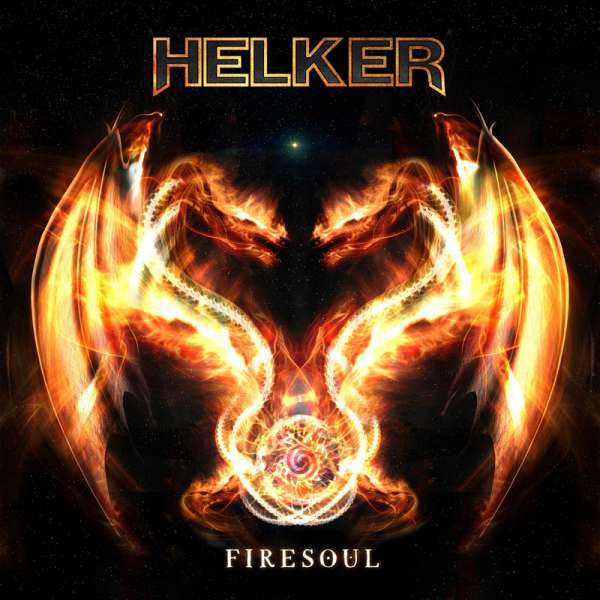
Album Review: Helker - Firesoul
When we think of metal, there are certain areas of the world we expect
to find the bands we listen to coming from. There are the British bands
where metal was founded, the American bands that took it to the heights
of popularity, and the Scandinavian countries
that have given metal much of the darkness and innovation that has
carried it forward over the decades. One place we don't necessarily look
is in South America. Other than the bands associated with Max Cavalera,
as well as Angra, that continent has not been
a mainstay of metal. Helker is slowly trying to move the needle, but
their growth has not yet reached the point where noting their birthplace
is not unique.
Right now, there is a rush to anoint Ronnie Romero the successor to Ronnie James Dio, because he was picked by Ritchie Blackmore to front his new incarnation of Rainbow, even though he has never made a record that actually matters. Helker's singer Diego Valdez is a better choice for that mantle. His gruff singing is a very close copy of the deeper tones Dio adopted as he got older. That's the biggest selling point Helker has going for them. Since there can't be any more Dio albums, they offer us the chance to hear something that would otherwise be a memory.
But similarities and nostalgia aren't enough to build a band on, so what about the actual music on "Firesoul"? Well, like later-era Dio, the results are mixed. The heavy, chunky sound works well with the mid-pace the band prefers, and it gives plenty of space for the vocals to sit. Unlike the way Dio wrote, however, Helker does try to resolve their songs in stronger melodic choruses. A song like "The One" is something Dio wouldn't have written for himself, but hearing it, you can understand why so many people were underwhelmed by albums like "Angry Machines". This is the kind of music Dio could have been making, which is a more fitting batch of songs for a vocal powerhouse.
If it seems I'm spending too much time comparing Helker to Dio, it's because I can't hear any of these tracks without being reminded heavily of the legend. Both the writing and the tones are just too similar not to notice. I don't consider it a bad thing at all, let me note.
Things do bog down a bit here and there, like with "Where You Belong", which does make the album feel longer than it needs to. There's plenty of good songwriting here, but not much great songwriting, so the record melds into one large piece of metal. It needed some extra diversity, either in the tones or the pacing, if it wanted to elevate itself into something special. Valdez is a great singer, and can easily traverse more ground than Helker is providing him here. It was a missed opportunity.
Overall, "Firesoul" is an album that falls into that growing category of records that are both good and enjoyable to listen to, but aren't quite good enough to make a deep impact. This is the sort of album that at the end of the year I'll wonder why I didn't listen to it more often, and I won't have a good explanation. It's great to hear the legacy of Dio carried on this way, even if I'm not sure how often I'll be spinning it.
Right now, there is a rush to anoint Ronnie Romero the successor to Ronnie James Dio, because he was picked by Ritchie Blackmore to front his new incarnation of Rainbow, even though he has never made a record that actually matters. Helker's singer Diego Valdez is a better choice for that mantle. His gruff singing is a very close copy of the deeper tones Dio adopted as he got older. That's the biggest selling point Helker has going for them. Since there can't be any more Dio albums, they offer us the chance to hear something that would otherwise be a memory.
But similarities and nostalgia aren't enough to build a band on, so what about the actual music on "Firesoul"? Well, like later-era Dio, the results are mixed. The heavy, chunky sound works well with the mid-pace the band prefers, and it gives plenty of space for the vocals to sit. Unlike the way Dio wrote, however, Helker does try to resolve their songs in stronger melodic choruses. A song like "The One" is something Dio wouldn't have written for himself, but hearing it, you can understand why so many people were underwhelmed by albums like "Angry Machines". This is the kind of music Dio could have been making, which is a more fitting batch of songs for a vocal powerhouse.
If it seems I'm spending too much time comparing Helker to Dio, it's because I can't hear any of these tracks without being reminded heavily of the legend. Both the writing and the tones are just too similar not to notice. I don't consider it a bad thing at all, let me note.
Things do bog down a bit here and there, like with "Where You Belong", which does make the album feel longer than it needs to. There's plenty of good songwriting here, but not much great songwriting, so the record melds into one large piece of metal. It needed some extra diversity, either in the tones or the pacing, if it wanted to elevate itself into something special. Valdez is a great singer, and can easily traverse more ground than Helker is providing him here. It was a missed opportunity.
Overall, "Firesoul" is an album that falls into that growing category of records that are both good and enjoyable to listen to, but aren't quite good enough to make a deep impact. This is the sort of album that at the end of the year I'll wonder why I didn't listen to it more often, and I won't have a good explanation. It's great to hear the legacy of Dio carried on this way, even if I'm not sure how often I'll be spinning it.
Subscribe to:
Posts (Atom)